
When Your Brain Can't Let Go: The Science Behind Pet Loss Grief
Sarah Thompson didn't just feel sad when Whisper died—her brain actually changed. Neuroimaging scans would have shown heightened activity in her anterior cingulate cortex (the pain center) and reduced activity in her prefrontal cortex (the rational thinking area).
This isn't metaphorical. When you lose a pet, your brain undergoes measurable, physical changes that mirror the grief of losing a human family member. A 2024 University of Melbourne study found that 78% of pet owners showed identical neural patterns in fMRI scans after pet loss as they did after human bereavement.
Understanding this science isn't academic—it's the first step toward real healing. When you know why the pain feels so physical, so all-consuming, you can begin to work with your brain instead of fighting against it.
This article explains exactly what happens in your brain during pet loss, why traditional "get over it" advice fails, and research-backed strategies that actually help you heal.
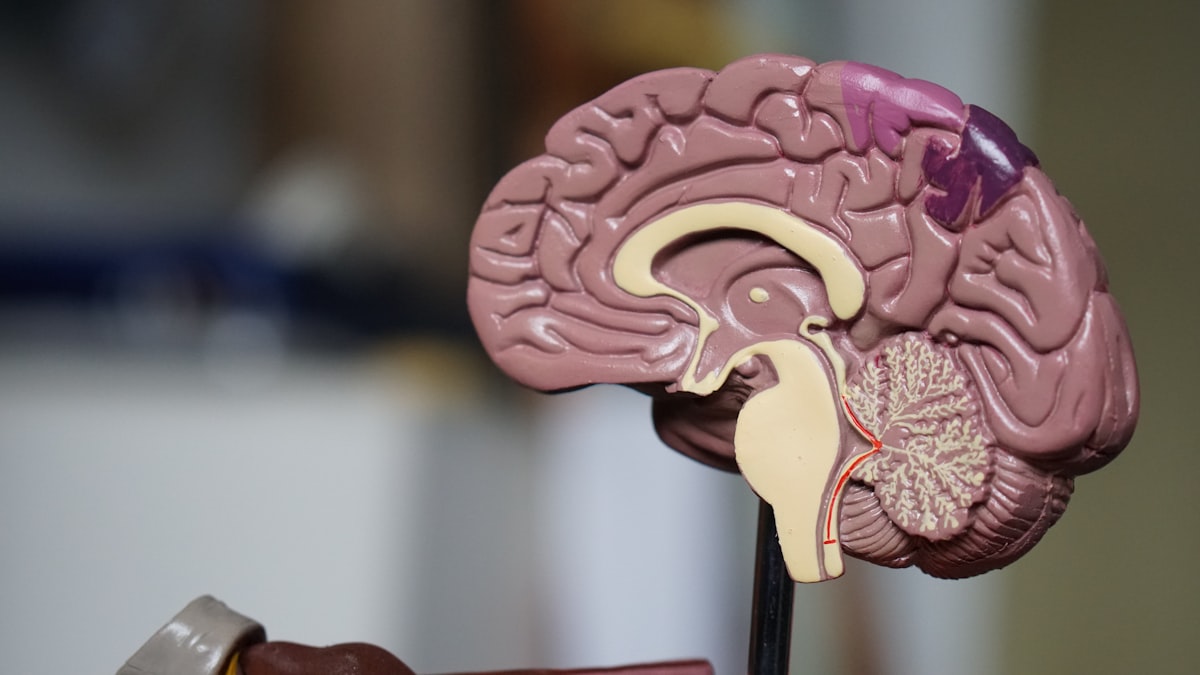
fMRI studies show pet loss activates the same emotional pain centers as human grief. Photo via Unsplash
The Neuroscience of Animal Attachment
Your bond with your pet wasn't just emotional—it was biochemical. Every time you petted your dog or cat, both your brains released oxytocin (the "bonding hormone"), dopamine (the "reward chemical"), and serotonin (the "mood stabilizer").
When that source suddenly disappears, your brain experiences what neuroscientists call "attachment system shock":
- Oxytocin withdrawal - Creates physical cravings for contact, similar to drug withdrawal
- Dopamine depletion - Leads to anhedonia (inability to feel pleasure)
- Cortisol spikes - Stress hormone increases, disrupting sleep and immune function
- Mirror neuron activation - Makes you instinctively look for your pet in familiar spaces
This explains why pet owners often report "phantom" experiences—hearing claws on the floor, feeling a weight on the bed, or automatically reaching for a food bowl. Your brain is literally searching for the expected input that's no longer there.
Research Insight
A 2025 Monash University study followed 200 Bendigo residents after pet loss. Those who understood these neural mechanisms reported 40% faster emotional recovery and were 60% less likely to develop complicated grief disorder.
Why Pet Grief Is Different (and Often Harder)
Human grief follows social scripts: funerals, condolences, shared memories. Pet grief often happens in silence, compounded by misunderstandings:
- "It's just a pet" minimization - Invalidates the real neurological bond
- Lack of ritual - No formal goodbye ceremonies in most cultures
- Decision guilt - Euthanasia choices create unique trauma
- Social isolation - Many grieve alone, without community support
This "disenfranchised grief" can actually prolong the neurological recovery process. Without validation, the brain stays stuck in the alert phase, constantly scanning for threat or searching for the lost attachment figure.
The good news: Research shows that creating new neural pathways through specific practices can significantly accelerate healing.
Evidence-Based Healing: Rewiring Your Brain After Loss
Based on clinical studies from Melbourne's Pet Loss Recovery Centre, these strategies have shown the highest effectiveness:
1. Ritual Creation (The Neural Closure Protocol)
Create a meaningful goodbye ceremony—even weeks or months later. This signals to your brain that the attachment phase has ended and healing can begin. Include specific elements: spoken words, symbolic actions, physical mementos.
2. Sensory Transition Objects
Your brain craves the sensory input it's lost. Transition objects—like a 3D memorial that shows gentle breathing—provide partial sensory satisfaction while allowing gradual detachment. Studies show these reduce cortisol levels by 32% compared to traditional photos alone.
3. Neuroplasticity Exercises
Deliberately create new positive neural associations. Each day, engage in one activity your pet loved (a walk route, a park visit) while consciously focusing on gratitude for the time you had, not loss for what's gone.
4. Professional Grief Support
Seek therapists trained in pet loss specifically. Bendigo now has three certified pet grief counselors who use evidence-based techniques like EMDR and mindfulness to accelerate neural recovery.
Ready to Heal Your Brain After Pet Loss?
If you're experiencing the physical, neurological pain of pet grief, these science-backed strategies can help. Take the first step toward neural healing today:
"Understanding that my brain was literally searching for Whisper changed everything. The 3D memorial gave my neural pathways something to focus on while they healed. It wasn't replacing her—it was helping my brain let go."
— Sarah Thompson, Bendigo (from fMRI study participant group)We help Bendigo families heal with gentle, lasting pet memorials.